The Order of Work in a Kitchen Remodel From Demo to Final Trim
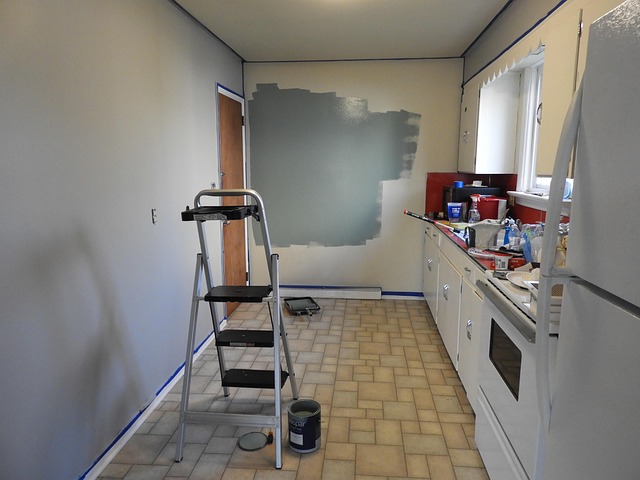
The smell of drywall dust and the whine of a reciprocating saw mean demolition has started, and from that point every trade follows an order. Every teardown kitchen remodel riverside ca smythwick castle has logged shows the same thing in Riverside, CA: when a kitchen remodel runs out of order, someone ends up cutting a finished surface to reach a pipe or a wire behind it.
Demolition and layout
Old cabinets, countertops and flooring come out first, and the walls get opened where the new plumbing and electrical will go. The layout is marked on the floor with tape so appliances and the island can be seen at full size before anything is built, and the dumpster is placed so the path out is short.
Rough-in comes before anything is closed

Plumbing rough-in, electrical cable, the range hood duct and any gas line are all run while the framing is exposed. Inspections happen at this stage in Riverside County, and walls stay open until the inspector signs. A change to the island outlet is cheap now and expensive later.
Drywall, paint and flooring
Drywall, texture and primer come next. Flooring goes in before the base cabinets if the floor is meant to run under them, or after if it stops at the toe kick. Summer heat across the Inland Empire speeds mud and paint drying, but cool mornings near the Santa Ana River can slow it, so the schedule allows a day of margin.
Cabinets, then counters
Uppers are hung first because the base cabinets block the wall. Counters are templated only after the base boxes are set and level, since a template taken early will not match a cabinet that shifted. Fabrication takes days to weeks, and the kitchen sits without a counter in the meantime, so the sink and range hookups wait. Plan the meals around a microwave and a folding table until the counter arrives.
Backsplash, fixtures and trim
Backsplash tile goes up after the counter is in. Plumbing fixtures, lights and the hood are connected last, followed by trim and touch up paint. Choosing the crew comes down to who explains this order plainly and who has the plumber and electrician lined up in the right sequence before demolition begins, since a gap of a week between trades stretches the whole job.